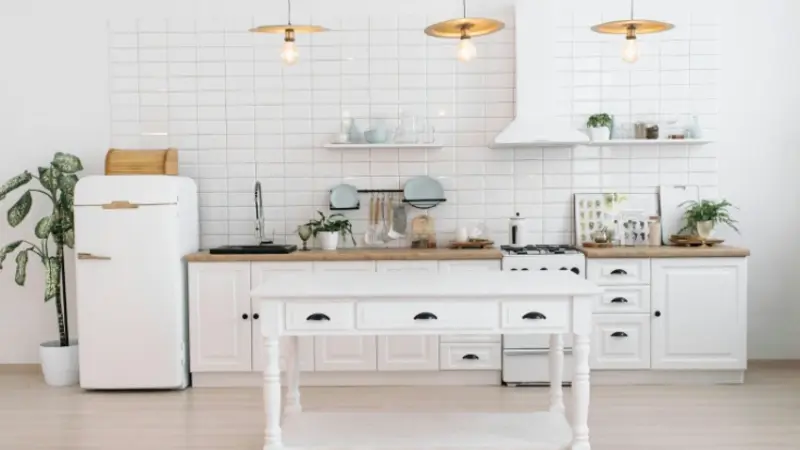
Here’s the truth: selecting a backsplash doesn’t need to feel like decoding ancient hieroglyphics. You’re juggling aesthetics against toughness, your cleaning habits against your wallet, and somehow attempting to foresee if that shiny surface will drive you crazy next year. But here’s where things get easier. Most kitchen upgrades boil down to three legitimate candidates: ceramic backsplash tile, porcelain backsplash tile, and glass backsplash tile. Each one handles kitchen mayhem differently, the grease explosions, moisture clouds, and that rogue skillet you drop twice a year.
We’re not here to declare a universal champion. Instead, think of this as matching your actual life, your cooking frequency, whether sealing grout sounds realistic, how much you care about water streaks, to the material that won’t betray you. What follows is a grounded kitchen backsplash tile comparison examining heat tolerance, how stains behave, installation headaches, and what genuinely qualifies as the best backsplash tile for kitchen areas that take a beating.
Quick-Scan Kitchen Backsplash Tile Comparison (Ceramic vs. Porcelain vs. Glass)
Rather than wading through marketing fluff, let’s strip this down to a performance snapshot that exposes which backsplash tile actually delivers when your kitchen gets messy.
Performance Scoreboard (At-a-Glance)
Here’s the breakdown across factors that’ll either justify or haunt your decision:
| Performance Factor | Ceramic | Porcelain | Glass |
| Heat Resistance | Good (with caveats near cooktop) | Excellent | Moderate (clearance-dependent) |
| Stain Resistance | Very good (glazed) | Excellent | Excellent |
| Scratch Resistance | Good | Excellent | Variable (finish-dependent) |
| Chip/Crack Risk | Moderate (edges vulnerable) | Lower (but corners still risk) | Higher (visible when it happens) |
| Water Resistance | Very good | Excellent | Excellent |
| Grout Visibility | Moderate (depends on color match) | Moderate | High (shows through translucent tile) |
| Ease of Cleaning | Easy | Easy (texture matters) | Very easy (but water spots show) |
| DIY Friendliness | High | Moderate (harder to cut) | Low (substrate/adhesive demands) |
| Lifetime Value | Strong (especially mid-range) | Highest | Good (if installed correctly) |
Maintaining a quartz backsplash involves nothing more than a quick wipe with gentle soap and water, and tile follows similar logic, except grout introduces new complications.
Best-Fit Recommendations by Household Type
Busy family kitchens: Go porcelain or ceramic paired with epoxy grout. You want materials that laugh off splatters without demanding Sunday afternoon grout-scrubbing rituals.
Frequent cooks: Install porcelain behind your range, then ceramic or glass everywhere else. High heat and grease accumulation near burners require serious materials.
Minimalist/modern: Large-format porcelain or back-painted glass panels create that seamless, reflective aesthetic you’re chasing.
Rental/flip: Ceramic subway tile in safe neutrals maximizes ROI, universal appeal, minus financial panic.
Coastal/humid climates: Porcelain’s reduced water absorption helps, though proper grout sealing and ventilation matter more than tile selection alone.
Ceramic Backsplash Tile: Best Uses, Strengths, and Tradeoffs
Once you’ve pinpointed which material suits your lifestyle, let’s examine the crowd favorite ceramic tile and identify when it overdelivers and where its weaknesses require strategic thinking.
Ideal Placements and Kitchen Styles
Ceramic thrives in traditional subway patterns, artisan zellige-inspired designs, and farmhouse or transitional spaces. It excels on full backsplash runs in low-to-moderate splatter zones, the wall behind your sink or alongside prep counters. That protective glaze works hard, but edges chip if you’re careless with cookware.
Durability and Daily Wear Insights
The installation of tile can be a meticulous task, involving the cutting of individual pieces and careful grouting, yet ceramic tile remains approachable for weekend DIYers. Behind cooktops, ceramic performs adequately unless you’re running commercial-grade wok burners nightly. Sustained extreme heat or sudden temperature swings can fracture the body eventually, so audit your cooking patterns first.
Cleaning and Stain Strategy
Commit to pH-neutral cleaners and avoid abrasive scrubbers that wreck the glaze. Reseal grout every 12–18 months, or invest in high-performance epoxy grout to eliminate stain anxiety.
Match your grout color closely to the tile shade to reduce that perpetually grimy grout effect you see with contrasting combinations.
Porcelain Backsplash Tile: High-Performance Option for Busy Kitchens
Ceramic delivers accessibility and budget friendliness, but intensive cooking environments and high-traffic kitchens often expose its limits, which is where porcelain steps in, the endurance athlete that sacrifices minor cost savings for tangible performance upgrades.
Where Porcelain Outperforms Ceramic
Reduced water absorption, superior density, and enhanced scratch resistance position porcelain perfectly for range walls and heavy-use zones. It resists impact chipping better, too, though corners remain at risk regardless.
Finish Selection That Changes Maintenance
Matte surfaces conceal smudges effectively but trap grime in surface texture. Polished finishes broadcast water spots and fingerprints yet clean instantly. Large-format porcelain slabs drastically reduce grout lines, achieving that contemporary seamless appearance with lighter maintenance demands.
Cutting/Installation Complexity
Porcelain fights back when you cut it, demanding specialized diamond blades and wet saws. Labor expenses climb accordingly, and outlet cutouts need precision. Planning a DIY installation? Budget extra tiles to absorb your learning-curve casualties.
Glass Backsplash Tile: Light-Boosting Design with Specific Install Rules
Porcelain conquers strength and scratch concerns, but when your kitchen needs light amplification and stain-proof performance more than raw toughness, glass backsplash tile presents an entirely different design and functionality equation.
Glass Tile Strengths in Real Kitchens
Glass tile is the ultimate backsplash and swimming pool accent choice; it bounces light around to energize darker kitchens while offering a completely non-porous surface that shrugs off stains. One wipe removes splatter. Done.
Critical Limitations Homeowners Overlook
Chips broadcast more dramatically than ceramic or porcelain damage. Scratches emerge depending on the finish selection. Heat exposure behind stoves demands meticulous clearance calculations. Hard-water regions? Water spots and mineral film accumulate aggressively unless you’re religious about wiping down surfaces.
Adhesives, Grout, and Substrate Requirements
Deploy white thinset exclusively to prevent dark shadowing through translucent tiles. Your substrate needs to be flawlessly smooth and uniform; every bump or divot shows through. Choose unsanded grout or epoxy formulations to avoid scratching glass surfaces, and eliminate haze immediately to prevent permanent clouding.
Best Backsplash Tile for Kitchen Zones (Placement Guide)
Grasping each material’s advantages represents only half the puzzle; where you actually place them decides whether you’ll celebrate or curse your backsplash down the road.
Range Wall and Cooktop Zone
Porcelain dominates here, with ceramic following closely if you’re not pushing extreme cooking techniques. Glass functions only with proper clearance and ventilation systems. Heat protection remains critical despite quartz’s heat-resistant properties, it’s wise to avoid direct contact with hot pans, and identical caution applies to any backsplash adjacent to burners.
Sink Wall and Prep Zone
Water spots and soap residue make glass challenging unless daily maintenance sounds acceptable. Porcelain and ceramic tolerate hard water deposits better, though glossy finishes reveal spots more aggressively than matte options.
Final Thoughts on Your Backsplash Decision
You’ve aligned the appropriate material to each wall zone, but the finish you select and grout system you pair it with will silently determine whether your backsplash maintains its appeal or transforms into a weekly cleaning project. Quartz backsplashes are quickly becoming popular due to their sleek, modern appearance and numerous practical advantages, and tile achieves that identical streamlined aesthetic when you choose large formats, minimal grout lines, and finishes aligned with your actual cleaning tolerance.
The smartest choice isn’t whatever Instagram celebrates this month or the priciest option; it’s whatever matches how you genuinely use your kitchen every single day. See more