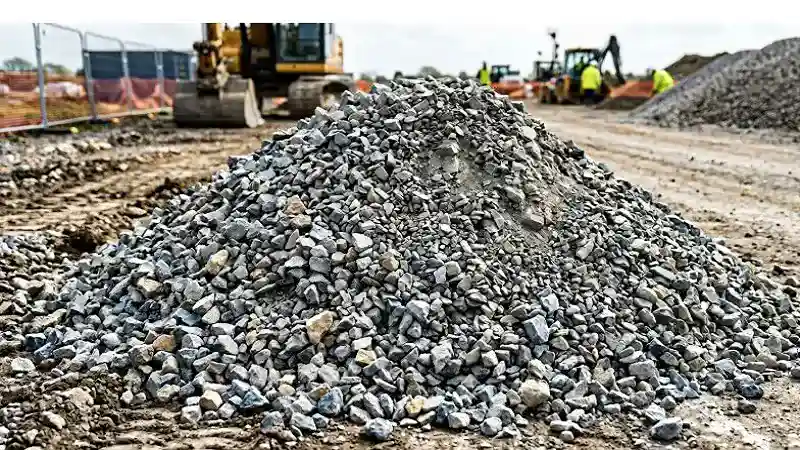
MOT Type 1 is a compactable sub-base aggregate used to create a strong, stable foundation beneath driveways, patios, paths, sheds, roads and other hard landscaping or construction surfaces. It is made from crushed stone or recycled material graded from larger particles down to fine dust, allowing it to bind together tightly when compacted.
For homeowners, landscapers and contractors, MOT Type 1 gives the finished surface something solid to sit on. Without a suitable sub-base, paving can sink, gravel can rut and driveways can fail under vehicle weight.
For trade and domestic customers looking for reliable aggregate supply, Mainland Aggregates offers a wide range of construction, landscaping and decorative aggregate products, including MOT Type 1 for sub-base applications.
What does MOT Type 1 mean?
MOT Type 1 refers to a granular sub-base material associated with the Department for Transport specification for highway works. In UK construction, Type 1 is often linked to Clause 803 of the Specification for Highway Works, which sets out requirements for certain unbound mixtures used in road pavement construction.
In simple terms, it is a crushed, well-graded aggregate. Smaller particles fill the gaps between larger stones, helping the material compact into a firm layer.
MOT Type 1 is usually described as “40mm to dust”, meaning the largest pieces are around 40mm (1.6 in), with fine material included to help the aggregate knit together when compacted.
Why is MOT Type 1 used as a sub-base?
MOT Type 1 is used as a sub-base because it spreads weight, reduces movement and creates a level foundation for the surface above. This is especially important where the finished surface will carry foot traffic, garden furniture, bins or vehicles.
A good sub-base helps prevent common problems such as:
- Paving slabs rocking or cracking
- Block paving sinking in patches
- Gravel driveways developing ruts
- Shed bases becoming uneven
- Water collecting in low spots
- Edging moving out of line
The sub-base does not replace proper drainage, edge restraint or surface preparation, but in many projects, the quality of the visible surface depends on the base beneath it.
When should you use MOT Type 1?
You should use MOT Type 1 when you need a compacted, load-bearing base beneath a hard surface. It is particularly suitable where strength, stability and resistance to settlement are important.
Common uses include driveways, patios, pathways, car parks, shed bases, garage bases, artificial grass sub-bases and hardstanding areas. It is often used before laying paving slabs, block paving, gravel or decorative stone.
Mainland Aggregates often sees MOT Type 1 used as the practical “hidden” layer that determines whether a finished garden or driveway project stays level over time.

Is MOT Type 1 suitable for driveways?
Yes, MOT Type 1 is commonly used for driveways because it compacts into a dense, stable layer capable of supporting vehicle loads. For most domestic driveways, the sub-base is one of the most important parts of the build-up.
The correct depth depends on ground conditions, expected traffic and surface finish. A light-use pedestrian path may not need the same depth as a driveway used daily by cars or vans.
Planning and drainage also matter. Government guidance on permeable surfacing explains that front garden hardstanding should manage rainwater properly, and the Planning Portal notes that householders generally do not need planning permission for new or replacement driveways if they use permeable surfacing or direct water to a lawn or border to drain naturally.
Can you use MOT Type 1 under patios and paths?
Yes, MOT Type 1 is widely used under patios and paths because it creates a firm base for paving slabs, porcelain paving, natural stone and other hard landscaping materials.
For patios and paths, the sub-base helps reduce movement caused by foot traffic, furniture, planters and seasonal ground changes.
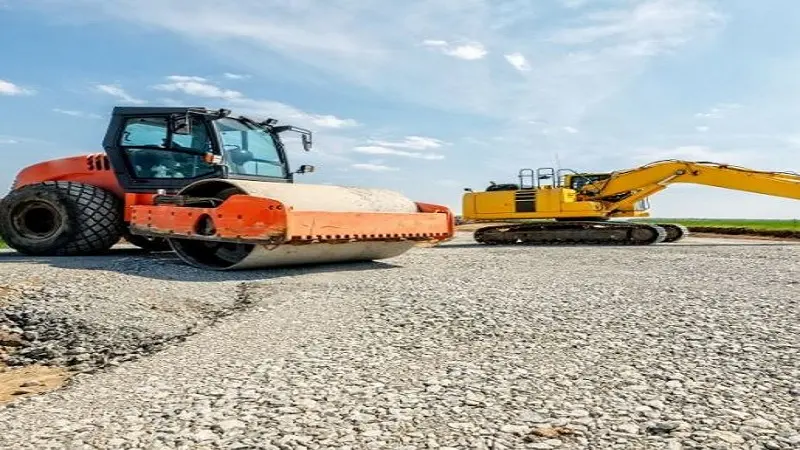
The key is compaction. Simply spreading MOT Type 1 across the ground is not enough. It should be laid to the right depth, levelled and compacted properly, usually in layers for deeper build-ups. Pavingexpert advises that thicker sub-bases should be built up in compacted layers rather than placed all at once.
How deep should MOT Type 1 be laid?
For many domestic patios and paths, MOT Type 1 is often laid at around 75-100mm (3-4 in) once compacted. For driveways, 100-150mm (4-6 in) is common, with heavier loads requiring more.
The right depth depends on the existing ground, whether the area is for foot traffic or vehicles, the surface being installed above it, drainage conditions and the advice of the installer or project specification.
Where a deeper sub-base is needed, it should normally be compacted in layers. This reduces the risk of later settlement.
What is the difference between MOT Type 1 and recycled Type 1?
Primary MOT Type 1 is usually made from quarried crushed rock such as limestone or granite. Recycled Type 1 is usually made from crushed concrete, brick or other suitable recycled construction materials.
Both can be useful. Primary Type 1 may be preferred where a consistent quarried material is required. Recycled Type 1 can be a cost-effective option for many sub-base applications, provided it meets the relevant grading and quality requirements.
Mainland Aggregates supplies both traditional and recycled aggregate options, making it easier to choose a material that suits the build, budget and intended use.
Is MOT Type 1 the same as hardcore?
No, MOT Type 1 is not the same as general hardcore. Hardcore is a broad term that can refer to broken brick, concrete, rubble or mixed fill. MOT Type 1 is a more controlled, graded sub-base material.
This distinction matters. Random hardcore may contain oversized pieces, soft material, contaminants or voids that make it harder to compact properly. MOT Type 1 is designed to form a stable layer, making it a safer choice for driveways, patios and paths than unspecified rubble.
What should you put under MOT Type 1?
MOT Type 1 should be laid on prepared ground. This usually means removing organic material, soft soil, roots and loose debris before creating a level formation. In some projects, a geotextile membrane may be used between the soil and the sub-base to help separation and stability.
The ground should be assessed before material is ordered. If the soil is very soft, wet or unstable, drainage, excavation depth and ground improvement may also need to be considered.
GOV.UK guidance on permeable surfacing explains options for reducing runoff from paved areas, including permeable surfaces and directing water to drain naturally within the property.
Final thoughts
MOT Type 1 is one of the most important aggregates in construction and landscaping because it creates the stable foundation that finished surfaces rely on, from driveways and patios to paths and hardstanding areas.
The main points are simple: choose a properly graded material, prepare the ground correctly, lay it at the right depth and compact it thoroughly. The surface people see is only as good as the base beneath it.
For homeowners, landscapers and trade customers planning a durable hard landscaping or construction project, Mainland Aggregates can supply MOT Type 1 and related sub-base materials to suit a wide range of practical applications. See more