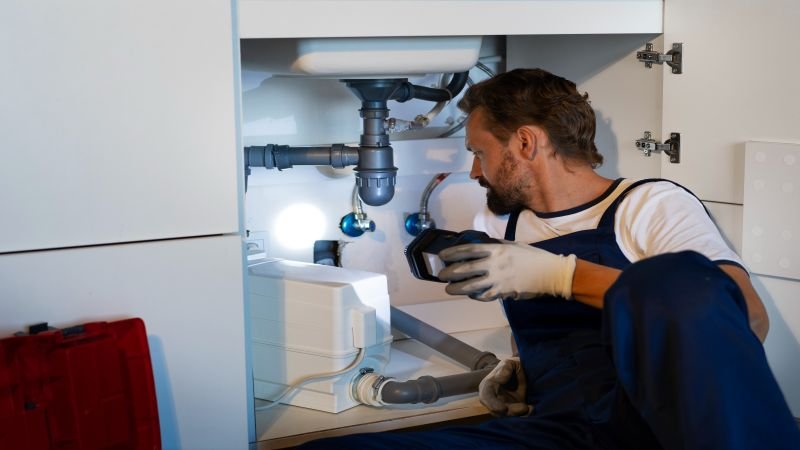
Blocked drains are one of the most common property maintenance issues affecting homes and businesses throughout West London. What may begin as a slow-draining sink, unpleasant odour, or occasional gurgling noise can quickly develop into overflowing drains, wastewater backups, flooding, and costly property damage if left unresolved. Because underground drainage systems are hidden from view, identifying the true cause of a blockage often requires specialist equipment and professional expertise.
Many homeowners, landlords, businesses, restaurants, and commercial property managers search for blocked drains West London services when drainage problems disrupt daily life. Professional drainage engineers use advanced equipment such as CCTV drain cameras, high-pressure water jetting systems, and specialist drain cleaning tools to locate blockages accurately, restore normal drainage, and identify any hidden structural defects before they become more serious.
Modern drain unblocking is about much more than clearing an obstruction. It focuses on understanding why the blockage occurred, protecting the drainage infrastructure, and providing long-term solutions that reduce the risk of recurring problems.
Quick Answer: What Causes Blocked Drains?
Blocked drains occur when waste, grease, debris, or structural damage restricts the normal flow of wastewater through underground drainage systems.
| Drainage Service | Purpose |
| Drain unblocking | Remove drainage obstructions |
| High-pressure water jetting | Clean internal pipework |
| CCTV drain surveys | Identify hidden drainage defects |
| Drain repairs | Restore damaged pipework |
| Root removal | Eliminate tree root intrusion |
| Emergency drainage | Resolve urgent drainage problems |
| Drain cleaning | Prevent recurring blockages |
| Preventative maintenance | Maintain efficient drainage |
Professional drain maintenance restores reliable wastewater flow while protecting underground pipework.
Why Blocked Drains Should Be Addressed Quickly
Ignoring drainage problems rarely makes them disappear.
Prompt professional assistance helps:
- Prevent flooding
- Restore wastewater flow
- Eliminate unpleasant odours
- Protect building foundations
- Reduce repair costs
- Prevent sewage backups
- Improve hygiene
- Extend drainage system lifespan
Early intervention often prevents more expensive structural repairs.
Common Causes of Blocked Drains
Drainage systems are designed to carry wastewater, but unsuitable materials can gradually restrict flow.
Common causes include:
- Cooking grease
- Food waste
- Wet wipes
- Hair
- Soap deposits
- Tree roots
- Leaves
- Scale build-up
- Foreign objects
- Collapsed pipework
Understanding the cause allows engineers to recommend the most appropriate solution.
Warning Signs of a Drain Blockage
Many drainage problems develop gradually before becoming emergencies.
Common warning signs include:
- Slow-draining sinks
- Standing water
- Bad smells
- Gurgling sounds
- Overflowing gullies
- Repeated toilet blockages
- Water pooling outdoors
- Sewage backing up
Professional inspections help identify the underlying problem.
Professional Drain Unblocking
Drainage engineers use specialist equipment to remove blockages safely and efficiently.
Methods commonly include:
- Mechanical drain cleaning
- Drain rods
- High-pressure water jetting
- CCTV inspections
- Pipe testing
Professional techniques remove stubborn obstructions without causing unnecessary damage.
High-Pressure Water Jetting
Water jetting is one of the most effective methods of restoring drainage flow.
It removes:
- Grease
- Sludge
- Organic waste
- Soap residue
- Scale
- Loose debris
Cleaning the inside of the pipe helps reduce future blockages.
CCTV Drain Surveys
Persistent drainage problems often indicate hidden structural issues.
Camera inspections identify:
- Cracked pipes
- Pipe collapse
- Root intrusion
- Broken joints
- Misaligned drains
- Remaining obstructions
Accurate diagnosis helps engineers recommend the correct repair solution.
Tree Root Intrusion
Tree roots naturally seek moisture and often enter damaged drainage pipes.
Root intrusion may cause:
- Frequent blockages
- Slow drainage
- Pipe movement
- Water leaks
- Structural damage
Professional removal restores reliable wastewater flow while preventing further deterioration.
Drain Repairs
Not every blockage is caused by debris alone.
Drain repairs may involve:
- Pipe replacement
- Joint repairs
- Drain relining
- Structural repairs
- Leak repairs
- Pipe restoration
Repairing damaged sections prevents recurring drainage issues.
Emergency Drain Services
Some drainage problems require immediate professional assistance.
Emergency services commonly deal with:
- Flooded properties
- Overflowing drains
- Sewage backups
- Major blockages
- Burst drainage pipes
- Collapsed drains
Rapid response helps minimise property damage and disruption.
Residential Drainage Services
Homeowners commonly require assistance with:
- Kitchen drains
- Bathroom drainage
- Toilets
- External drains
- Garden gullies
- Underground pipework
Professional maintenance helps keep household drainage operating efficiently.
Commercial Drainage Services
Businesses rely on functioning drainage systems every day.
Commercial services often include:
- Planned maintenance
- Drain cleaning
- Emergency response
- CCTV inspections
- High-pressure jetting
- Preventative servicing
Routine maintenance helps reduce business disruption.
Preventing Future Drain Blockages
Simple preventative measures can significantly reduce drainage problems.
Good practices include:
- Avoid pouring grease into sinks
- Dispose of food waste properly
- Never flush wet wipes
- Keep external drains clear
- Arrange regular inspections
- Schedule preventative maintenance
Regular care helps extend the life of the drainage system.
Choosing a Professional Drainage Company
Before selecting a drainage specialist, consider:
- Industry experience
- Qualified engineers
- Modern diagnostic equipment
- Emergency availability
- CCTV inspection capability
- Transparent pricing
- Customer reviews
- Comprehensive drainage services
Experienced professionals provide reliable long-term drainage solutions.
Fast, Reliable Drainage Support Across West London
Blocked drains can quickly become disruptive if left untreated, particularly when they affect kitchens, bathrooms, or commercial premises. Professional drain unblocking West London services combine advanced diagnostic equipment, specialist cleaning methods, experienced engineers, and preventative maintenance to restore drainage systems efficiently while helping prevent recurring problems. Whether the issue involves grease build-up, tree root intrusion, damaged pipework, or hidden structural defects, prompt professional attention helps protect your property and keeps wastewater flowing safely.
Frequently Asked Questions
What causes blocked drains?
Blocked drains are commonly caused by grease, cooking oils, food waste, wet wipes, soap residue, hair, tree roots, leaves, scale deposits, and other debris accumulating inside drainage pipes.
How do professionals unblock drains?
Drainage engineers use specialist equipment including drain rods, mechanical cleaning tools, CCTV drain cameras, and high-pressure water jetting to remove blockages and inspect the condition of the drainage system.
What is high-pressure water jetting?
High-pressure water jetting uses powerful streams of water to remove grease, sludge, scale, organic material, and debris while cleaning the internal surfaces of drainage pipes.
When is a CCTV drain survey recommended?
A CCTV drain survey is recommended if blockages repeatedly return, drainage remains slow after cleaning, flooding occurs, or hidden structural damage is suspected.
Can tree roots block underground drains?
Yes. Tree roots can enter drainage pipes through small cracks or joints, causing repeated blockages, leaks, structural damage, and eventually pipe failure if not addressed.
How can I reduce the risk of blocked drains?
Avoid disposing of grease, food waste, wet wipes, and unsuitable materials into drains, keep external drainage points clear, and arrange regular professional maintenance where appropriate.
When should I call a professional drainage engineer?
Professional assistance should be sought if you experience recurring blockages, overflowing drains, unpleasant odours, sewage backups, slow drainage, flooding, or if DIY methods fail to restore normal wastewater flow. See more