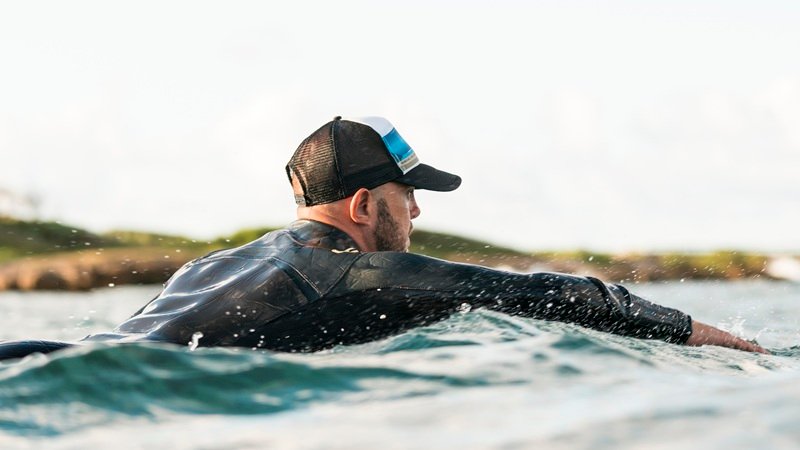
People enjoy sports together with water activities because both activities provide health benefits while delivering entertainment value. Athletes face potential eye dangers through their sports activities, which expose them to various environmental conditions. This article explains how different activities affect your eyes, what problems may occur, and how you can protect your vision. The document presents practical methods that help people achieve comfort and safety while they participate in daily activities. Athletes can protect their eye health through proper eye protection equipment during sporting events.
Common Eye Risks in Outdoor Sports
Outdoor sports activities result in eye exposure to dust, wind, and strong sunlight conditions. These environmental conditions lead to eye dryness and redness, together with temporary discomfort. Contact sports present players with the danger of sustaining unintentional injuries through their rapid movements and their encounters with other athletes. Swimmers frequently experience Swimmers eye because pool chemicals, which include chlorine and other substances, irritate their eyes. The symptoms of this condition start after people become exposed to the treatment.
How Eye Protection Helps During Activities
Proper protective equipment continues to decrease eye injury risk during athletic activities. Sports goggles, sunglasses, and swim goggles function as protective barriers against dangerous elements. They function to shield the eyes from these elements, which include dust, ultraviolet radiation, and waterborne chemicals. The situation becomes critical for activities that involve continuous exposure, such as swimming, cycling, and beach sports. The appropriate equipment selection for different activities allows users to maintain their visual health while avoiding skin problems.
Water Exposure and Eye Irritation
Water activities through swimming or diving can lead to eye damage when people fail to take protective measures. The eye tissues of sensitive individuals face danger from substances that exist in chlorinated pools and natural water bodies. Clean water eye rinsing after swimming helps to decrease eye discomfort. People need to protect their eyes from prolonged water exposure by using goggles. Continuous contact with that water causes increased sensitivity, which results in persistent irritation when it remains untreated.
Maintaining Comfort During Active Movement
Athletic activities cause three main factors, which are physical movement, sweating, and environmental exposure to impact eye comfort during sports. Sweat enters the eyes, which causes stinging and blurry vision. Windy conditions make it easy for people to experience dry eyes. The protection of your vision needs to happen during these times because it affects both your safety and your performance. The protection of our eyes through protective eyewear and our sweat removal through proper techniques bring significant improvements to our overall comfort.
Importance of Daily Eye Care for Athletes
Everyone who participates in sports or water activities needs to maintain proper eye health. The best way to maintain healthy eyes is through regular cleaning, hydration, and protection against environmental hazards. Natural eye moisture maintenance requires sufficient water intake, while proper sleep enables body recovery after exercise. The process of routine health assessments helps identify initial symptoms of eye irritation and eye damage. Athletes should pay attention to small symptoms before they become serious issues.
Preventing Long-Term Eye Problems
The risk of developing permanent eye sensitivity increases through multiple exposures to sunlight, water, chemicals, and dust. The condition will progress to create persistent discomfort during activities, which will happen more frequently. The first preventive measures should be taken without delay because they establish crucial protection. The combination of protective eyewear usage and proper hygiene practices results in decreased risk of permanent eye damage. The process of maintaining eye safety depends on both public knowledge and the practice of regular eye care.
Safe Habits for Sports Enthusiasts
Building safe habits, which help people develop eye protection practices, will create secure eye environments that protect athletes during sports activities. The practice of wearing proper eye protection needs to become a daily habit. People should avoid eye contact through touching or rubbing their eyes because this action will create more irritation to their eyes. The eyes need recovery time, which short breaks during extended work periods provide. People who maintain awareness of their surroundings will achieve improved safety and performance during their athletic activities.
Final Thoughts
Athletes need to safeguard their eyes during sports and water activities because eye protection equals body protection. The practice of using goggles together with proper hygiene and hazard awareness helps to stop common eye problems from occurring. People who follow proper eye care methods and develop smart behavior patterns can maintain their eyesight while leading active lives. Healthy eyes enable people to perform better while experiencing greater comfort and maintaining their eyesight protection throughout their lives. See more