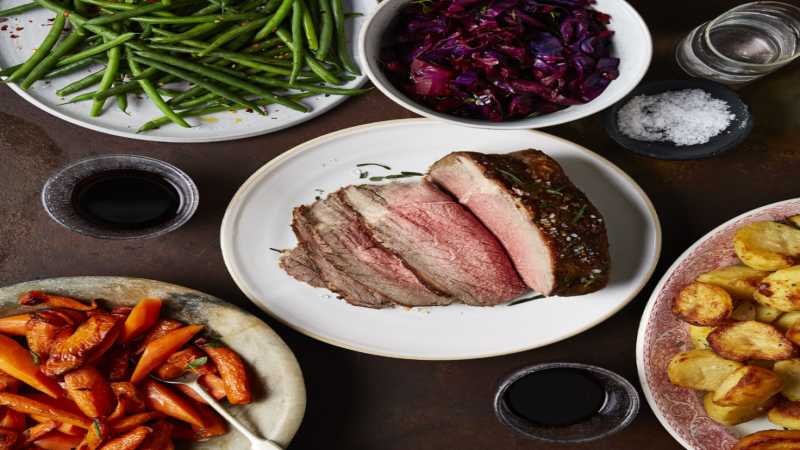
The Sunday roast occupies a special place in British food culture. It is familiar enough to feel comforting, yet generous enough to mark a birthday, family visit or long-awaited gathering. The aroma, the shared dishes and the debate about the best roast potato all contribute to an experience that is much bigger than a plate of food.
The difficulty is that a complete roast asks a great deal from the cook. Several components need different temperatures and timings, the main must rest without becoming cold, and the kitchen can fill with washing-up before the guests have even arrived.
A prepared roast box offers a modern answer. It keeps the finishing and serving at home while reducing shopping, peeling, measuring and menu planning. Used thoughtfully, it does not weaken the tradition. It makes the tradition easier to continue.
Why a Roast Is More Complex Than It Looks
A well-balanced roast combines contrasting textures and flavours. The main should be properly cooked and rested. Potatoes need a crisp exterior and fluffy centre. Vegetables should retain colour and character. Yorkshire puddings, stuffing, gravy and sauces all compete for attention at the same time.
The challenge is coordination. Most domestic kitchens have one oven, a limited number of shelves and perhaps only a few large pans. When the cook is also greeting guests, preparing drinks and setting the table, small delays can quickly become a late meal.
Shopping adds another layer. Different cuts, vegetables, herbs, fats and accompaniments may come from separate aisles or suppliers. Portion estimates are difficult, particularly when the group includes children or people with very different appetites.
What a Roast Box Changes
A roast box turns an open-ended project into a guided process. The customer chooses the number of diners and the main, receives prepared components and follows a planned cooking sequence. Instead of building the menu item by item, the host starts with a coherent set.
The best boxes still require real cooking. That is part of their appeal. The kitchen fills with the aroma of roasting food, the host controls the final finish and the meal reaches the table freshly cooked.
What disappears is much of the repetitive work: sourcing every ingredient, calculating quantities and preparing basic components. The result sits between cooking entirely from scratch and ordering a finished takeaway.
Choosing the Right Main
The centre of the meal influences almost every other decision. Beef, chicken, lamb and pork have different flavours, cooking characteristics and natural accompaniments. Vegetarian and vegan centres can be equally celebratory when they are designed as part of the menu rather than treated as substitutes at the last moment.
Consider the preferences of the whole group before ordering. Ask about dietary requirements and whether guests are comfortable with the chosen level of doneness. If more than one main is needed, check whether the kitchen can cook and rest them without creating timing conflicts.
The cut and weight matter as much as the type of meat. Follow the supplier’s instructions, but remember that domestic ovens vary. A suitable thermometer can provide useful confirmation where the cooking guidance recommends one.
The Importance of Proper Trimmings
A roast is defined by its supporting dishes. Potatoes, carrots, parsnips, Yorkshire puddings, stuffing and gravy create the familiar rhythm of the plate. When one element is missing or poorly timed, the meal can feel incomplete even if the main is excellent.
A well-designed roast dinner box UK hosts can use should treat the trimmings as essential rather than decorative. The portions need to work together, and the cooking plan should explain when each component enters the oven.
There is still room for personal additions. A family may have a favourite cauliflower cheese, green vegetable or sauce. Add one or two traditions that matter, but avoid overcrowding the menu and recreating the workload the box was intended to reduce.
Build a Realistic Cooking Timeline
Read every instruction before turning on the oven. Identify the total preparation time, the required preheating, the cooking stages and the resting period. Note which items need the same shelf or temperature.
Work backwards from the serving time. Add a buffer for an oven that runs cool, a larger joint or guests who arrive early. Prepare the table and drinks before the busiest cooking stage begins.
A written timeline may feel excessive for a family meal, but it prevents mental overload. Even a few notes on the fridge can make the difference between calm cooking and repeated checks of several packets.
Use Oven Space Deliberately
Oven capacity is often the real limit in roast preparation. Large roasting tins can block heat circulation, while opening the door repeatedly lowers the temperature. Check that the supplied containers and your own dishes fit before the day of the meal.
Arrange shelves to match the instructions. If components can share a temperature, group them and minimise door opening. Where a dish can rest safely or remain warm for a short period, use that flexibility to protect the final stages.
Do not assume that every item needs to be in the oven at the last minute. Some components benefit from resting, and others can be finished while the main is out. The supplier’s sequence should be the starting point.
Resting Is Part of Cooking
Hosts sometimes cut the main immediately because they fear the food will become cold. Resting allows heat to settle and juices to redistribute, which can improve texture and make carving easier. It also creates valuable oven space for potatoes or puddings.
Follow the guidance for the selected main and protect it loosely while it rests. Use the time to finish gravy, heat serving dishes and check the vegetables.
A planned resting period should appear in the timeline, not be treated as an unexpected delay. When guests understand that the meal is progressing, there is no need to rush an important stage.
Make Gravy a Priority
Gravy connects the individual components. It adds moisture, carries savoury flavour and helps the meal feel unified. A weak or insufficient gravy can undermine otherwise excellent food.
Prepare it according to the box instructions and taste before serving. Check consistency, seasoning and quantity. If the supplier provides a base or prepared gravy, use any recommended pan juices carefully to add depth.
Serve enough for the table rather than rationing a small jug. Warm the serving vessel where practical, and keep a little in reserve for second helpings.
Dietary Requirements Need Early Attention
A mixed group may include vegetarians, vegans, people with allergies and guests who avoid particular ingredients. Do not wait until the box arrives to work out whether the menu is suitable.
Review the current allergen information and contact the provider where severe allergies or cross-contamination risks need clarification. Check trimmings, sauces and desserts as well as the main. Ingredients such as dairy, eggs, gluten, mustard, celery, nuts and sulphites may appear in places that are not obvious.
Use separate utensils and serving dishes when required. Clear labels on the table prevent awkward questions and allow every guest to eat with confidence.
How Delivery Fits the Plan
Choose a delivery date that supports the event without leaving perishable ingredients stored unnecessarily. Make sure someone can receive the box and move chilled products into appropriate storage promptly.
Inspect the delivery while there is still time to resolve a problem. Confirm that the number of portions, chosen main, sides and add-ons match the order. Read labels and storage directions immediately.
Reliable roast in a box delivery should make the handover simple. The customer needs clear information about arrival, storage and the steps that lead from the package to the finished meal.
Serving Two, Four or Six
Smaller roasts are not automatically easier. A meal for two still benefits from sensible portions and coordinated sides, while a meal for six creates more pressure on oven space and carving.
Select the box size based on the actual group, then consider appetite and additional courses. Children may eat smaller portions, but guests staying for a long afternoon may appreciate seconds. A starter or substantial dessert changes the amount needed from the main meal.
Avoid ordering far beyond the group simply to feel safe. A little leftover food can be useful; a large surplus increases cost and creates storage questions.
Presentation Without Restaurant Pressure
A Sunday roast should look abundant, but it does not need complicated plating. Family-style serving works naturally: carve the main, arrange vegetables in warm dishes and allow guests to help themselves.
Use a board or platter large enough for clean carving. Let roast potatoes keep some space so they remain crisp. Bring gravy to the table in a jug rather than pouring it over everything in advance.
Small details make the meal feel considered. Warm plates, fresh herbs and a tidy serving area add polish without requiring professional skills.
Create Time for the Host
The main benefit of a prepared box may be emotional rather than technical. A host who has not spent the entire morning peeling and shopping is more likely to enjoy the gathering.
Use the saved time intentionally. Set the table, prepare music, organise children’s activities or simply sit down before guests arrive. The purpose of convenience is not to fill every recovered minute with another task.
During the meal, keep the service relaxed. A short delay is rarely a problem when people have drinks and conversation. The host’s mood shapes the atmosphere more than perfectly symmetrical carrots.
Avoid Turning Convenience Back into Complexity
It is easy to order a complete box and then add a long list of homemade extras. The meal becomes complicated again, and the cook loses the benefit of the structured menu.
Choose one personal addition that carries meaning, such as a family sauce or favourite dessert. Let the supplied trimmings do their job. If the box includes an optional dessert, compare the preparation time with the schedule before adding it.
The same principle applies to drinks and table decoration. Simple choices made early are better than ambitious plans completed under pressure.
Reduce Waste Through Better Planning
Pre-portioned ingredients can reduce the uncertainty that leads to overbuying. Hosts still need a plan for leftovers, particularly cooked meat, vegetables and gravy.
Cool and store leftovers according to current food-safety guidance and the product instructions. Label containers so they are used promptly. Suitable leftovers may become sandwiches, pies, salads or a simple supper, depending on the ingredients.
Do not keep food merely to avoid throwing it away if it has been stored incorrectly. Waste reduction begins with ordering the right quantity and handling the meal properly from delivery onwards.
Questions to Ask Before Ordering
First, confirm the delivery area and available dates. Popular weekends and seasonal periods may require advance booking. Check the cut-off time for menu changes and the policy if no one is available to receive the box.
Second, review exactly what is included. Does the price cover all trimmings? Are sauces, dessert or additional vegetables optional? What cookware and pantry ingredients will the customer need?
Third, check cooking time and difficulty. A box may reduce preparation substantially while still requiring careful oven management. The right choice matches the host’s confidence, equipment and schedule.
Finally, confirm allergen and dietary details from current information rather than assuming that a familiar dish is automatically suitable.
When a Roast Box Is Most Useful
Prepared boxes suit occasions when people want the ritual of a home-cooked roast but have limited planning time. They are useful for family visits, birthdays, holiday properties, new parents and anyone cooking in a kitchen they do not know well.
They also work when the host wants predictable portions and a clear budget. The main elements are selected in advance, reducing impulse buying and forgotten ingredients.
A box is not only for inexperienced cooks. Confident cooks may value the quality sourcing and time savings, then add their own finish. The format supports different levels of involvement.
Keeping the Tradition Alive
Food traditions survive because they adapt. Modern families may live farther apart, work different schedules and gather less frequently. Making the Sunday roast easier to organise can help preserve the shared meal rather than diminish it.
The essential elements remain: people around a table, generous dishes, familiar flavours and time to talk. Whether every carrot was peeled by the host is not what guests will remember.
Conclusion
A roast box can remove the least rewarding parts of preparation while keeping the cooking, aroma and shared table that make Sunday lunch special. Success still depends on choosing the right menu, reading the instructions and planning oven space carefully.
The best approach is to let the box provide the structure and add only the personal touches that truly matter. With less time spent shopping and measuring, the host can focus on serving well and enjoying the people who came to eat. See more