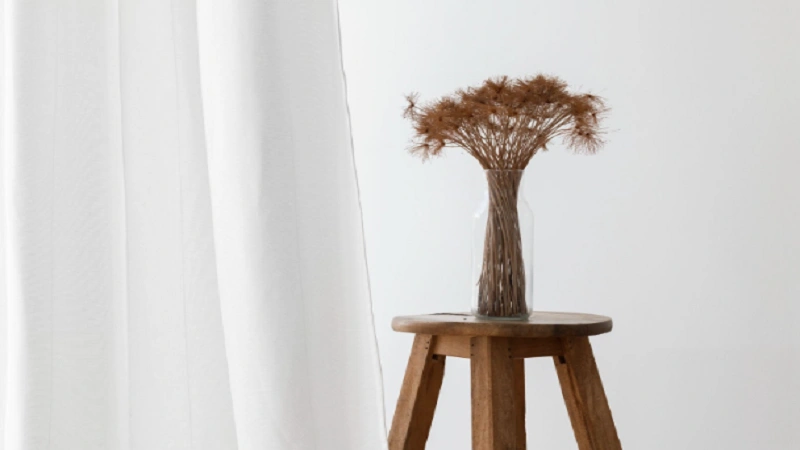
An end table may be small, but it can make a big difference in how your room feels. With a few simple DIY styling ideas, you can turn it into a fresh and eye-catching spot without spending much. Whether it sits next to your sofa or bed, an end table is the perfect place to show your style. From easy decor swaps to smart layout tips, styling it can be fun and stress-free.
In this guide, you’ll learn practical ways to refresh your end table using items you already have or can easily find. Small changes can truly give your home a new look.
The Essential Foundation: Understanding End Table Styling Basics
Before you start shuffling objects around, there’s some foundational stuff worth understanding. It’s what separates “I tried” from “Wow, did you hire someone?”
The Golden Rule of End Table Proportions
Your end table needs to sit roughly even with your sofa arm, or maybe just a touch lower. Why does this matter? It creates flow. Everything feels right when you reach for your morning coffee without awkward stretching. Surface dimensions play into this, too. A cramped tabletop can’t hold much, but an enormous one might make your furniture look like dollhouse pieces.
You’ll want roughly two feet of walkway space surrounding it. Think about visual weight, too—if you’ve got a massive lamp dominating one side, the whole setup will feel lopsided even if it’s technically centered.
The 3-5-7 Styling Formula for Perfect Balance
Professional designers rely on this trick constantly: arrange three objects when you want striking simplicity, five when you’re after balanced variety, or seven if you’re working with a bigger surface and want abundance. Odd numbers just work better. Something about asymmetry pleases our brains naturally. Pile on too much and you’ve created clutter. Use too little and things look bare, maybe even sad.
Here’s how to apply it: pick your anchor piece first. Add two items that complement it. Step back. Does it need more layers? Then add accordingly.
Choosing the Right End Table for Your Styling Vision
Material and shape completely change what’s possible with styling. City Furniture’s collection demonstrates this perfectly. Wooden tables bring organic warmth that pairs beautifully with plants and handmade pottery. Glass tops feel light and airy—perfect for minimalist arrangements. Marble? Instant sophistication.
Rectangular tables give you linear styling space, but round end tables for living room arrangements actually soften all those hard angles from your sectional and TV stand, while naturally encouraging you to arrange decor in circular patterns. Tables with storage let you stash the messy stuff while keeping the top looking sharp.
Think about whether you want that lower shelf. It doubles your decorating space, but now you’ve got to style two levels cohesively.
DIY End Table Styling Ideas by Design Style
Different aesthetics demand different approaches. Let’s break down how to style an end table across several popular looks.
Modern Minimalist End Table Decor
These modern end table styling tips revolve around one word: restraint. Pick a single-statement lamp with architectural lines. Add one sculptural piece. Include one plant in an understated pot. That’s it. Color-wise, stick to whites, grays, blacks, with perhaps one metallic accent piece.
Geometry matters here. A DIY concrete planter you poured yourself? Perfect industrial vibe. Space isn’t wasted space in this style—it’s intentional breathing room. Fight the urge to fill every square inch.
Bohemian Eclectic Styling Approach
Boho celebrates joyful abundance. Layer a textured runner under everything. Stack three books with colorful, mismatched spines. Add vintage brass candleholders. Finish with a trailing pothos vine spilling from a handmade ceramic pot. Coordination is not the goal here—in fact, matching kills the vibe. Turkish coasters, Moroccan glasses, global finds—bring it all in.
Weekend project idea: make macramé coasters in under an hour using basic square knots and cheap cotton cord from any craft store.
Farmhouse Rustic End Table Arrangements
Visit your local thrift shop to hunt for wooden crates or aged metal containers. Rough them up with sandpaper for authentic character. Mason jar lamps scream farmhouse—you just need to thread a lamp kit through the lid. Weathered wood chunks (whether real or convincing fakes) look gorgeous alongside galvanized metal accessories.
The color palette stays neutral: creams, beiges, gentle grays. Warmth comes through texture rather than color.
Budget-Friendly DIY Living Room End Table Decorating Projects
Quality living room end table decorating doesn’t require a trust fund when you’re willing to think creatively.
Repurpose and Upcycle: Transform What You Have
Shop your own home first. That vase languishing in the spare bedroom? It might be perfect here. Thrift stores are goldmines for potential. Snag dated lamps and transform them with matte black or metallic gold spray paint. Give old books new life by wrapping their covers in kraft paper for a cohesive neutral look.
There’s actually a formula for this: aim for thirty percent calming elements, forty percent energizing pops, and thirty percent soft neutrals plus metallics. This ratio keeps displays exciting without tipping into chaos.
Dollar Store Styling Hacks
You can style an entire end table for under twenty bucks at dollar stores. Seriously. Glass cylinders become chic containers with chalk paint. Fake flowers work when you trim stems short and cluster them tightly—it makes them look deliberate rather than desperate. Turn picture frames into decorative trays by spray-painting them and adding felt pads underneath.
Pro tip: grab anything brass-colored. It photographs expensively even when it costs a dollar.
Nature-Sourced Free Decor Elements
Take a walk outside and gather interestingly shaped branches, smooth river stones, or pinecones for autumn displays. Press wildflowers between heavy book pages for two weeks, then frame them in thrifted frames. Rotate seasonal elements to keep things fresh: spring blooms, summer seashells, autumn leaves, winter evergreen sprigs.
Nature-based decor connects your interior to the outdoors while being completely free.
Advanced DIY End Table Styling Techniques
Once the basics feel comfortable, these professional techniques will push your displays further.
The Art of Styling Symmetry vs. Asymmetry
Symmetrical styling—matching lamps on paired end tables—reads as formal and elegant. Traditional spaces love this. Asymmetrical arrangements feel casual and contemporary: maybe one lamp on the left table, one tall sculptural vase on the right. Both approaches work beautifully, but you need to choose intentionally. Accidental mismatching just looks confused.
Here’s the thing: visual weight matters more than perfect symmetry. A smaller lamp plus two hardcover books can absolutely balance against a single substantial plant.
Color Theory for End Table Arrangements
Complementary colors (opposites on the color wheel, like blue and orange) generate vibrant energy. Analogous schemes use neighboring wheel colors for soothing harmony—think greens flowing into blues into purples. Monochromatic sophistication layers multiple shades of one color family.
Deploy bright accent colors sparingly. That vivid yellow candle becomes a powerful focal point when everything around it stays neutral.
Creating Height Variation Drama
Flat displays bore us to tears. Stack books to create platforms for smaller objects—instant height. Decorative boxes accomplish the same thing while hiding remotes inside. Aim for three distinct height levels: tall (lamp or substantial vase), medium (book stack), and low (candle or compact plant).
Vertical elements pull the eye upward, making your ceiling feel higher.
Room-Specific DIY End Table Styling Strategies
Context changes everything with styling. Let’s customize approaches for specific rooms.
Living Room End Table Styling
Living rooms need beauty and function in equal measure. Keep coasters within easy reach. Make sure lamps actually provide enough light for reading. Leave space for setting down wine glasses. Factor in traffic patterns—high-traffic zones need sturdy, unbreakable items.
Conversation areas benefit from objects with stories: travel souvenirs, intriguing books, and unusual sculptures that prompt questions.
Bedroom Nightstand Styling
Bedside tables prioritize your morning and evening routines: alarm clock, water glass, phone charging spot, and current read. Hide ugly cords in decorative boxes or tuck them behind books. Lighting needs to be soft for ambiance but adequate for reading.
Cap decor at two or three items maximum so the surface stays functional. Small plant, framed photo, pretty jewelry tray—done.
Home Office Side Table Decor
Workspace tables need motivating objects that enhance focus without creating distractions. Small task lamp, inspiring quote in a simple frame, one healthy plant. Keep organizational tools (pen holder, sticky notes) in coordinating containers so they read as decorative.
Skip anything that’ll pull your attention from work. Save the conversation starters for other rooms.
Common End Table Styling Mistakes and How to Avoid Them
Let’s troubleshoot the problems that sabotage otherwise solid displays.
Overcrowding: The #1 Styling Error
We’re all guilty. We keep adding more until there’s barely any space left. Give things breathing room. Each piece needs space to shine. If removing something improves the look, it wasn’t earning its spot. Three carefully chosen pieces beat seven mediocre ones every single time.
Edit ruthlessly. Rotate items with the seasons rather than displaying everything simultaneously.
Ignoring Scale and Proportion
Tiny accessories vanish on large tables. Oversized items swallow small surfaces whole. Your tallest element should measure roughly 1.5 to 2 times your table’s height. Compact tables need compact arrangements. Expansive surfaces can handle bold statements.
Everything should relate proportionally to the table itself and the surrounding furniture.
Mismatched Style Chaos
Eclectic works when it’s deliberate. Random just reads as messy. Unify different pieces through shared color (everything includes one accent hue), material (all natural textures), or era (all vintage). One unifying thread creates cohesion even among varied styles.
When uncertain, commit to one design aesthetic per table.
Your Questions About End Table Styling, Answered
What items should always be on an end table?
A properly sized functional lamp, one to three decorative objects at varying heights, a small plant or fresh flowers, and something practical like coasters. Balance aesthetics with daily usability.
How do you style an end table without a lamp?
Use a tall vase filled with branches as your anchor element (aim for 8-12 inches tall), add a medium sculpture or book stack, then include low elements like candles or small plants. Generate height variation through object selection instead of lighting.
Can I mix metals and finishes on my end table?
Absolutely—mixed metals look sophisticated when done intentionally. Combine warm tones (brass, gold, copper) or cool tones (silver, chrome) together. Deploy one metal about 70% of the time, accented with another 30% for balance.
Fresh Styling, Fresh Start
Your end table deserves better than becoming a dumping ground for remote controls and junk mail. These DIY end table decor techniques prove you don’t need designer fees to achieve polished results. Start with one modest change this week. Swap out those books. Add a plant. Build momentum from there. The beauty of end table styling lies in its flexibility. Nothing’s permanent, so experiment without fear. Small surfaces, thoughtfully arranged, genuinely transform how your entire room feels. You’ve got this.