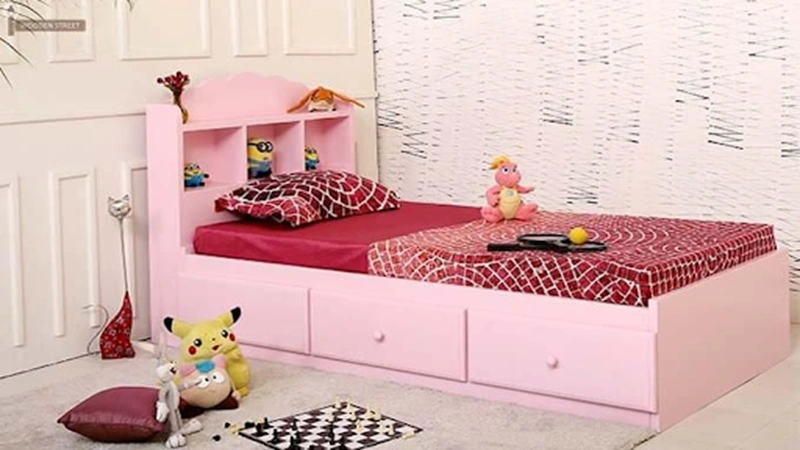
Choosing the right bed for a child’s room is about more than picking something cute. Parents need a design that feels safe, supports healthy sleep, fits the room layout, and still looks good as children grow. The best kids’ bed frame ideas combine comfort, durability, and smart design without making the bedroom feel crowded or overly themed. From low-profile frames to storage beds and bunk-style layouts, the right choice can make a child’s room more organized and enjoyable. It can also help families invest in family bedroom furniture that supports daily routines, sleepovers, homework time, and long-term use. With a careful approach, a child’s bed can become both a safe sleeping space and a stylish part of the home.
Why the Right Kids Bed Frame Matters
A child’s bed is often the largest piece of furniture in the room. It affects how the space looks, how easily children move around, and how safe the room feels at night. A well-designed frame can reduce clutter, support bedtime routines, and make the room easier to clean.
For young children, safety is the priority. Sharp corners, unstable frames, high sleeping surfaces, and weak support systems can create problems. For older children, style and function become more important. They may want a bed that reflects their personality, while parents still need something practical and long-lasting.
A good bed frame should offer:
- Strong construction
- Smooth edges or rounded corners
- Proper mattress support
- Safe height from the floor
- Enough room for movement
- A design that fits the child’s age and room size
When chosen carefully, the bed becomes more than a sleeping area. It becomes a central part of a comfortable, organized bedroom.
Kids’ Bed Frame Ideas for Different Room Sizes
Not every child’s bedroom has the same layout. Some rooms are spacious, while others need smart furniture choices to save floor space. The best kids bed frame ideas depend on how much room is available and how the space is used daily.
Low-Profile Bed Frames for Young Children
Low-profile beds are a practical option for toddlers and younger kids. Because the mattress sits closer to the floor, children can climb in and out more easily. This design also gives parents peace of mind during the transition from a crib to a regular bed.
Low beds are especially useful in small rooms because they create an open feeling. They make ceilings appear higher and leave more visual space. Simple wooden, upholstered, or metal frames can all work well if they are stable and child-friendly.
Storage Bed Frames for Busy Families
Storage beds are ideal for bedrooms where toys, books, clothes, or bedding need a dedicated place. Drawers under the bed can reduce the need for extra cabinets or bins. This helps keep the room tidy without taking up more floor space.
Storage beds work well for school-age children because they can learn to organize their belongings independently. Parents can use the drawers for seasonal clothing, extra blankets, or bedtime essentials.
Twin Beds for Flexible Layouts
Twin bed frames are one of the most common choices for children’s bedrooms. They fit easily in most rooms and can work for children of different ages. A twin bed can be placed against a wall, centered in the room, or paired with another twin for siblings.
Twin beds are also easy to style. Parents can change bedding, pillows, and wall decor over time without replacing the frame.
Bunk Beds for Shared Rooms
Bunk beds are popular in shared children’s rooms because they save floor space. They give each child a separate sleeping area while leaving more room for play or study. However, safety is very important with bunk beds.
Look for sturdy guardrails, a secure ladder, and a frame that does not shake. The top bunk is usually better for older children who can safely climb up and down.
Safety Features Parents Should Look For
Style is important, but safety should guide the final decision. Children move a lot during sleep, jump onto beds, and use their rooms for more than resting. A bed frame should be able to handle everyday activity.
Stable Construction
A safe bed frame should not wobble or shift when used. Strong joints, quality materials, and proper assembly all matter. Whether the frame is wood, metal, or upholstered, it should feel firm and balanced.
Rounded or Smooth Edges
Sharp corners can be risky in children’s rooms. Rounded edges or padded frames are safer, especially for younger kids. If the frame has exposed metal or wood edges, make sure they are smooth and finished properly.
Proper Mattress Fit
The mattress should fit the frame closely. Large gaps between the mattress and frame can be unsafe, especially for younger children. Always check mattress size recommendations before buying.
Safe Bed Height
The right bed height depends on the child’s age. Younger children usually benefit from lower frames. Older children may be comfortable with higher beds, storage frames, or loft-style designs.
Strong Guardrails for Elevated Beds
For bunk beds or loft beds, guardrails are essential. They should be high enough to protect the child while sleeping and securely attached to the frame.
Style Ideas That Grow With Your Child
Children’s tastes change quickly. A bed shaped like a car or castle may be exciting for a few years, but it may not feel suitable later. Choosing a flexible style can save money and make future room updates easier.
Neutral bed frames are often a smart choice. White, natural wood, gray, black, or soft fabric tones can match many themes. Parents can then use bedding, rugs, curtains, and wall art to add personality.
Good long-term styles include:
- Simple wooden frames
- Soft upholstered frames
- Minimal metal frames
- Classic panel designs
- Storage beds with clean lines
These options can work with playful decor for young children and more mature decor as they grow.
Choosing Family Bedroom Furniture That Works Together
When designing a child’s room, the bed should not be selected alone. It should work with the rest of the furniture, including dressers, nightstands, desks, shelving, and seating. Choosing family bedroom furniture with similar materials, finishes, or colors creates a more organized look.
For example, a natural wood bed can pair well with a matching dresser or simple white shelves. A black metal frame can look modern with neutral bedding and a clean study desk. Upholstered beds can make the room feel softer and warmer.
The goal is not to make everything identical. Instead, the pieces should feel connected. This helps the bedroom look calm rather than cluttered.
Smart Storage Solutions Around the Bed
A child’s room can become messy quickly, so storage should be part of the bed frame plan. Even a simple bed can become more functional with the right surrounding setup.
Consider these storage-friendly ideas:
- Use under-bed drawers for toys or clothes
- Add wall shelves above a low bed
- Place a small nightstand with drawers beside the bed
- Use storage baskets at the foot of the bed
- Choose a headboard with built-in shelves
- Add labeled bins for easy cleanup
Storage should be easy for children to use. If drawers are too heavy or shelves are too high, kids may not use them regularly.
For more inspiration, explore practical kids bed frame ideas that can support both bedroom function and style.
Material Options for Kids Bed Frames
The material of the bed frame affects durability, safety, maintenance, and appearance. Each option has its own benefits.
Wooden Bed Frames
Wood is a classic choice for children’s bedrooms. It feels warm, natural, and durable. Solid wood frames can last for many years if cared for properly. Lighter wood tones create a soft, relaxed look, while darker finishes feel more traditional.
Metal Bed Frames
Metal frames are often strong, simple, and easy to clean. They can work well in modern or minimalist rooms. Parents should check that the edges are smooth and that the frame does not squeak or move during use.
Upholstered Bed Frames
Upholstered frames add softness and comfort. They are useful for children who like to sit up and read in bed. Padded headboards also reduce the risk of bumps. However, fabric frames may need more cleaning, especially in rooms where snacks, art supplies, or pets are common.
Color and Design Tips for a Stylish Kids Room
A stylish child’s bedroom does not need to be expensive or complicated. The bed frame can act as a calm base, while smaller decor items add fun.
Soft colors such as white, beige, pale gray, light blue, sage green, or warm wood tones can make the room feel peaceful. Brighter colors can be added through bedding, pillows, artwork, and rugs.
To keep the design balanced:
- Use one main color and two accent colors
- Avoid too many competing patterns
- Choose bedding that is easy to replace
- Keep large furniture simple
- Add personality through removable decor
- Leave open space for play
This approach makes it easier to update the room without replacing major furniture pieces.
Bed Frame Ideas by Age Group
Different ages need different features. A bed that works for a toddler may not suit a teenager.
Toddlers
For toddlers, choose low frames, soft edges, and simple designs. Safety rails may be helpful during the transition from crib to bed.
Young Children
For children aged 5 to 9, twin beds, storage beds, and playful but simple designs work well. This age group benefits from easy-access storage and durable materials.
Preteens
Preteens often want a more mature room. A clean wooden, upholstered, or metal frame can help the room feel less childish while still being practical.
Teenagers
Teenagers may prefer full-size beds if space allows. A sturdy frame with a neutral design can support their changing style preferences.
Common Mistakes to Avoid
Parents sometimes focus only on appearance and forget about daily use. A beautiful bed frame may not be the right choice if it is too high, too large, or too difficult to clean.
Avoid these common mistakes:
- Choosing a bed that is too big for the room
- Ignoring mattress compatibility
- Buying overly themed designs that children may outgrow
- Forgetting storage needs
- Choosing sharp-edged frames for young children
- Not checking the weight capacity
- Leaving too little walking space
A good bed frame should make the room easier to use, not more difficult.
How to Balance Budget, Quality, and Design
Children’s furniture should be durable, but that does not mean parents need the most expensive option. The best value comes from choosing a frame that is safe, well-made, and flexible enough to last several years.
Before buying, consider:
- How long will the child use the bed
- Whether the frame can match future decor
- If storage is needed
- How easy it is to clean
- Whether the material suits daily use
- If the design works with other family bedroom furniture
A slightly higher-quality frame may save money over time if it does not need to be replaced quickly.
FAQ
1. What is the safest bed frame style for young children?
A low-profile bed frame with smooth edges is often safest for young children. It allows easy access and reduces the risk of injury from falls.
2. Are storage beds good for kids’ rooms?
Yes. Storage beds are useful for toys, clothes, books, and extra bedding. They help keep the room organized without needing extra furniture.
3. What are the best kids’ bed frame ideas for small rooms?
The best options for small rooms include low-profile beds, twin beds, bunk beds, and storage beds. These designs help save floor space while keeping the room functional.
4. Should I choose wood, metal, or upholstered frames?
Wood is warm and durable, metal is simple and easy to clean, and upholstered frames add softness. The best choice depends on your child’s age, room style, and maintenance needs.
5. How can I make a kids’ bed frame look stylish?
Use neutral furniture as a base, then add colorful bedding, pillows, wall art, and rugs. This makes the room stylish while allowing easy updates as your child grows.
Conclusion
The best kids bed frame ideas combine safety, comfort, storage, and style in a way that supports everyday family life. A good frame should fit the child’s age, match the room size, and work well with the rest of the furniture. Low-profile beds are great for younger children, storage beds help reduce clutter, and simple, timeless designs can grow with your child for years. Parents should focus on stable construction, smooth edges, proper mattress fit, and practical design before choosing a final style. With the right planning, a child’s bed can become a safe sleeping space, a stylish room feature, and a smart part of your overall family bedroom furniture setup. See more