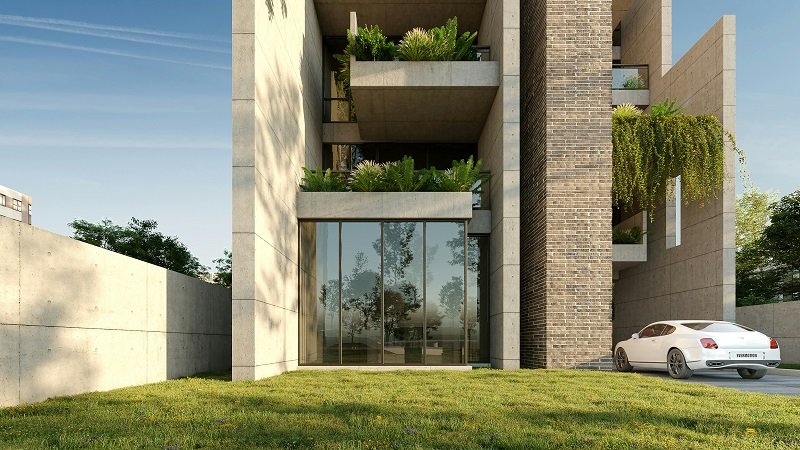
Small living is no longer a compromise. It is a design challenge that forces smarter choices, better layouts, and more intentional use of space. As cities grow denser and housing costs rise, multifunctional spaces are becoming the default rather than the exception. The future of small living is not about shrinking lifestyles but about designing spaces that adapt, shift, and work harder throughout the day.
This shift is changing how homes are planned, furnished, and experienced. Design is moving away from single-purpose rooms toward flexible environments that respond to real-life needs.
Why Multifunctional Spaces Are No Longer Optional
Small homes demand efficiency. Every square meter has to earn its place. A room that serves only one function is often wasted space for most of the day. Multifunctional design solves this by allowing spaces to change roles without feeling temporary or cluttered.
Lifestyle Changes Driving the Trend
Remote work, flexible schedules, and urban living have reshaped how people use their homes. It might be a workspace in the morning, a dining area in the evening, and a social space at night. Design trends now reflect this reality.
The Shift From Rooms to Zones
Instead of dividing homes into rigid rooms, designers are creating zones. These zones overlap visually and functionally. A single space can feel open while still supporting multiple activities through layout, lighting, and furniture placement.
Core Principles of Multifunctional Design
Good multifunctional spaces feel intentional, not improvised. The best designs follow a few key principles that balance flexibility with comfort.
Flexibility Without Visual Chaos
The goal is adaptability without clutter. Clean lines, hidden storage, and neutral palettes allow spaces to change purpose without feeling messy. Visual calm is essential in small environments.
Furniture That Works Overtime
Furniture is no longer static. Pieces are expected to fold, slide, stack, or transform. This does not mean gimmicky design. It means practical solutions that disappear when not needed.
Smart Furniture Leading the Way
Furniture innovation is at the heart of advanced small living. The future favors pieces that adapt quickly and feel natural in daily use.
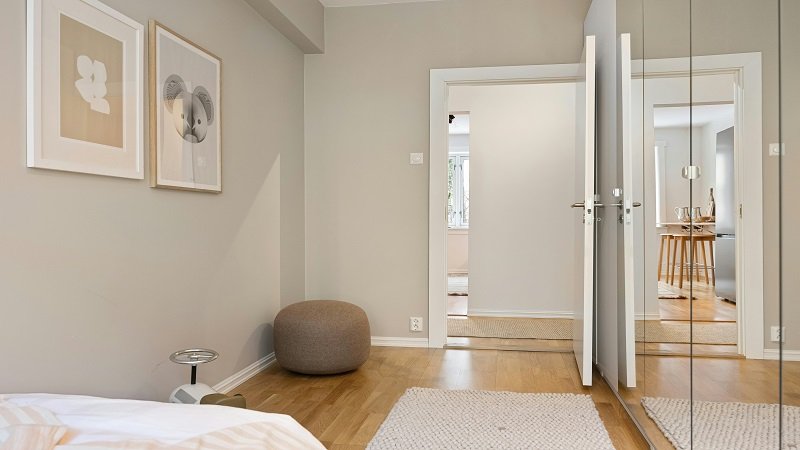
Modular Seating Systems
Sofas that separate into individual seats or benches allow rooms to shift from lounge to meeting space in minutes. Modular systems also make it easier to reconfigure layouts as needs change.
Convertible Tables and Surfaces
Dining tables that double as desks, coffee tables that rise to working height, and wall-mounted drop tables are becoming standard in compact homes. These pieces reduce redundancy while maintaining comfort.
Beds That Disappear
Murphy beds and foldaway sleeping systems have evolved. Modern versions are seamless, quiet, and often integrated with shelving or desks. Bedrooms can now function as offices or living areas during the day without sacrificing sleep quality.
Storage as a Design Feature
In multifunctional spaces, storage is not an afterthought. It is built into the architecture of the home.
Vertical Storage Solutions
Walls are being used more intelligently. Floor-to-ceiling shelving, tall cabinets, and hanging storage reduce floor clutter and free up space for movement.
Hidden and Integrated Storage
Benches with internal storage, stair drawers, and concealed compartments keep everyday items out of sight. This allows spaces to shift function quickly without needing constant cleanup.
Lighting That Defines Function
In small homes, lighting helps signal when a space is changing purpose.
Layered Lighting Systems
Instead of relying on one overhead light, designers are using layered lighting. Task lighting, ambient lighting, and accent lighting work together to define zones within a single room.
Adjustable and Smart Lighting
Dimmable lights and smart controls allow residents to shift the mood instantly. Bright, focused light supports work and productivity, while warmer tones encourage relaxation in the evening.
Materials That Support Versatility
Material choices influence how adaptable a space feels. The future of multifunctional design favors materials that are durable, neutral, and sensory-friendly.
Neutral Foundations With Flexible Accents
Walls, floors, and large furniture pieces are often kept neutral. This creates a flexible base that allows accents to change seasonally or functionally without redesigning the entire space.
Texture Over Decoration
Instead of decorative clutter, texture adds interest. Natural wood, soft textiles, and matte finishes provide depth without overwhelming small spaces.
Technology Supporting Small Space Living
Technology is quietly enhancing multifunctional design. The focus is on integration rather than visibility.
Built-In Charging and Connectivity
Desks, side tables, and seating areas now include hidden charging ports. This supports work and entertainment without visible cables or clutter.
Smart Home Features
Automated blinds, lighting presets, and climate controls help spaces adapt instantly. A room can switch from work mode to relaxation mode with minimal effort.
The Emotional Side of Multifunctional Spaces
Beyond practicality, multifunctional design affects how people feel in their homes. Small spaces require emotional balance as much as physical efficiency.
Reducing Mental Clutter
A well-designed multifunctional space reduces decision fatigue. When everything has a place and purpose, daily transitions feel smoother and less stressful.
Creating Comfort Through Familiarity
Small homes benefit from consistent sensory cues. Scent, lighting, and texture help maintain comfort even as spaces change function. For many, subtle elements like a home scent diffuser become part of a daily rhythm that bridges movement between car, work, and home.
Design Trends Shaping the Next Generation of Small Living
Looking ahead, multifunctional spaces will become more personalized and less standardized.
Custom-Built Solutions
More homeowners are choosing custom storage, furniture, and layouts tailored to their routines. This reduces wasted space and improves long-term usability.
Sustainability and Longevity
Design trends are shifting toward fewer but better items. Multifunctional pieces reduce consumption by replacing multiple single-purpose items with one durable solution.
Spaces That Grow With You
The future of small living is not static. Homes are being designed to adapt as lifestyles change, whether that means remote work, family growth, or new hobbies.
Multifunctional spaces are no longer a niche solution for tiny apartments. They are shaping the future of residential design across all sizes of homes. By focusing on flexibility, thoughtful storage, smart furniture, and emotional comfort, small living spaces are becoming more livable, expressive, and resilient than ever before.